
Goshuin Guide: How to Collect Japanese Shrine & Temple Stamps (2026)
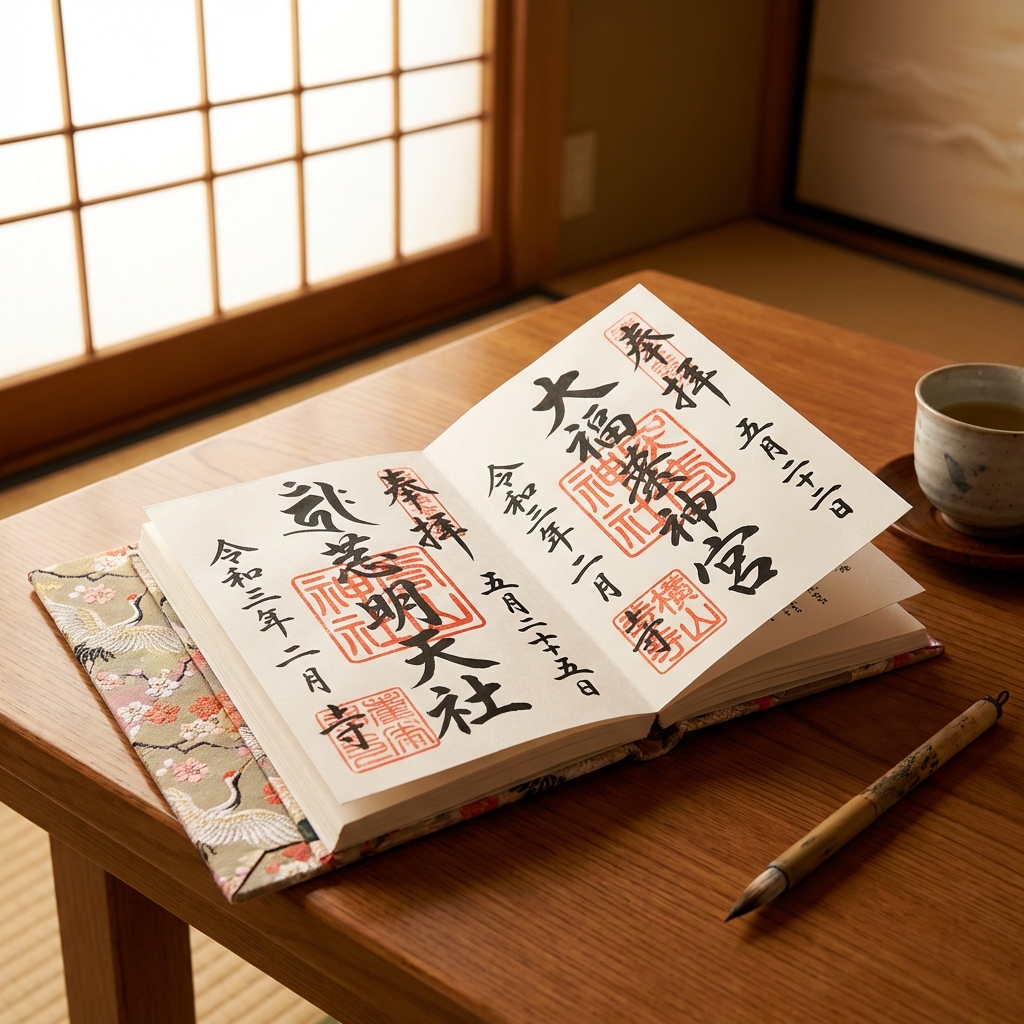
"A living testament of ink and vermilion: your sacred bond with the Kami."
Goshuin (御朱印) is far more than a tourist souvenir or a travel stamp rally. In Japanese spiritual tradition, it is a sacred certificate (Kechien / 結縁) hand-inscribed by Shinto priests or Buddhist monks to verify that you visited the sanctuary, bowed your head in reverent prayer, and formed an enduring karmic bond with the resident deity. The scent of freshly ground sumi ink, the fluid mastery of Japanese calligraphy, and the deep vermilion press of the divine seal (Shin-in) make each page a one-of-a-kind sacred treasure.
Preparing your itinerary across Japan's most historic shrines?
Discover famous shrines in Kyoto, Tokyo, Nara, and beyond.
Anatomy of a Goshuin: How to Read the Sacred Calligraphy
To the untrained eye, a completed goshuin page may look like an enigmatic work of abstract ink brushwork. In reality, virtually every goshuin follows a venerable four-part anatomical structure:
Hōhai (奉拝)
Translates literally to "Humbly worshipped." This foundational inscription confirms that you offered sincere prayers before approaching the shrine office (Shamusho) or temple desk (Nokyosho).
Shrine / Deity Inscription
The boldest, most energetic central characters name the sanctuary (e.g., Fushimi Inari Taisha) or the primary deity enshrined within (e.g., Amaterasu Omikami or Hachiman Okami).
Shin-in & Hō-in (神印・宝印)
The sacred vermilion cinnabar stamps. The central square or circular seal is the true spiritual core — the official seal of the deity or Buddhist temple crest (Kamon).
Sanpai Date (参拝日付)
The year, month, and day of your pilgrimage written in traditional kanji numerals (e.g., Reiwa 8 Nen 2 Gatsu 10 Nichi). It permanently marks your fateful calendar day in Japan.
The 5 Golden Rules of Goshuin Etiquette
Because goshuin are sacred talismans and not tourist merch, observing proper sanctuary manners ensures you are received with warmth and respect:
1. Always Offer Prayers First (Sanpai ga Saki)
Never rush straight from the entrance gate to the stamp office. Approaching the goshuin counter before paying respects to the kami is considered deeply improper. Always purify at the water pavilion, toss your coin, and offer your two bows and two claps first.
2. Use a Consecrated Goshuincho (Dedicated Stamp Book)
Never present a tourist diary, notebook, sketchbook, or loose piece of paper. Priests are forbidden from stamping anything other than an authentic, accordion-folded Goshuincho (御朱印帳). If you do not have one, you can purchase one on site (¥1,500–¥2,500) or ask for a loose-leaf paper version called Kaki-oki (書き置き).
3. Open the Page & Remove Any Cover Before Handing Over
Before handing your book to the attendant, remove any protective plastic cover, bookmarks, or paper clips. Open the book directly to the exact blank page where you wish the stamp to be written, and present it respectfully with both hands.
4. Prepare Exact Change for the Hatsuhoryo (初穂料)
The monetary offering is traditionally ¥300 to ¥500 for standard stamps (¥800–¥1,200 for intricate double-page or paper-cut editions). Avoid paying with large ¥10,000 yen bills. Having clean ¥100 and ¥500 coins ready shows thoughtful consideration.
5. Maintain Reverent Silence While the Calligrapher Writes
Writing sacred calligraphy demands total mental concentration. Refrain from chatting loudly on your mobile phone, leaning over the counter, or filming or photographing the calligrapher without explicit permission. Use the waiting time to quiet your thoughts.
Should You Separate Shrine and Temple Stamps?
A major debate among pilgrims is whether to collect Shinto shrine stamps and Buddhist temple stamps in the same book, or keep two separate Goshuincho:
The Practical Verdict: Keep Two Separate Books
Under Japan's historic Shinbutsu-Shugo (syncretic fusion), most modern shrines and temples will politely stamp a mixed book without objection. However, certain strict Buddhist traditions (particularly some Nichiren sect temples and ultra-orthodox Shinto shrines) may courteously decline to write in a book that mixes both faiths.
To ensure an effortless pilgrimage across Japan, experienced collectors carry one dedicated book for Shinto shrines (Jinja) and one dedicated book for Buddhist temples (O-tera).
Kaki-oki (Loose Leaf) & Modern Artistic Trends
In recent years, the culture of goshuin has experienced a breathtaking renaissance. Beyond standard direct-in-book calligraphy (Jikagaki), keep an eye out for these special formats:
Kirie (Paper-Cut) Goshuin
Laser-cut lace washi paper depicting delicate seasonal foliage, cherry blossoms, or dragons. Must be mounted into your book at home using acid-free glue tape.
Double-Page (Mihiraki)
Vibrant panoramic illustrations sprawling across two facing pages, often released exclusively during festival seasons (Matsuri) or New Year.
Kaki-oki Sheets (書き置き)
Pre-inscribed single sheets given when the priest is absent performing rituals. Keep them safe in a folder until you can paste them into your Goshuincho.
Check Your Fortune Today
Complement your pilgrimage with daily wisdom drawn straight from sacred shrine traditions.
Uncover your lucky colors, directions, and life advice
Frequently Asked Questions
- What is a Goshuin and how does it differ from a souvenir tourist stamp?
- A Goshuin (御朱印) is a consecrated seal hand-inscribed with sumi calligraphy by Shinto priests or Buddhist monks as tangible proof of your reverent prayer. It acts as a sacred talisman establishing a karmic bond (Kechien) with the deity, fundamentally distinct from casual rubber tourist stamps.
- Can you mix Shinto shrine and Buddhist temple stamps in the same book?
- While most modern sanctuaries will graciously inscribe a mixed book, certain strict Buddhist sects (such as Nichiren) may decline to write in a book containing shrine stamps. To avoid awkwardness, experienced collectors carry one book for shrines and one for temples.
- What are the essential etiquette rules when requesting a Goshuin?
- Always pray before approaching the office; present an authentic accordion-fold Goshuincho book (notebooks are refused); remove covers and present the book open to the desired page with both hands; and have exact change ready (typically ¥300–¥500 in coins).
Ready to practice what you've learned?
Experience authentic Japanese shrine practice online. Perform virtual sanpai rituals and receive spiritual blessings.
Begin Your Shrine ExperienceMore Japanese shrine traditions

December 2, 2025
How to Write an Ema: Guide to Japanese Shrine Wish Plaques — What to Write & Etiquette (2025)
Step-by-step guide to writing an Ema (wooden wish plaque) at a Japanese shrine. Learn proper etiquette, what to write, and how to hang your wish correctly.

February 10, 2026
Omamori Colors & Meanings: Complete Guide to Japanese Amulet Colors (2026)
What do Omamori colors mean? Complete guide to 8 Japanese amulet colors (Red, Pink, Gold, Blue, Green, Purple, White, Black), their divine blessings, 1-year rule, and how to hold multiple charms without bad luck.
January 31, 2026
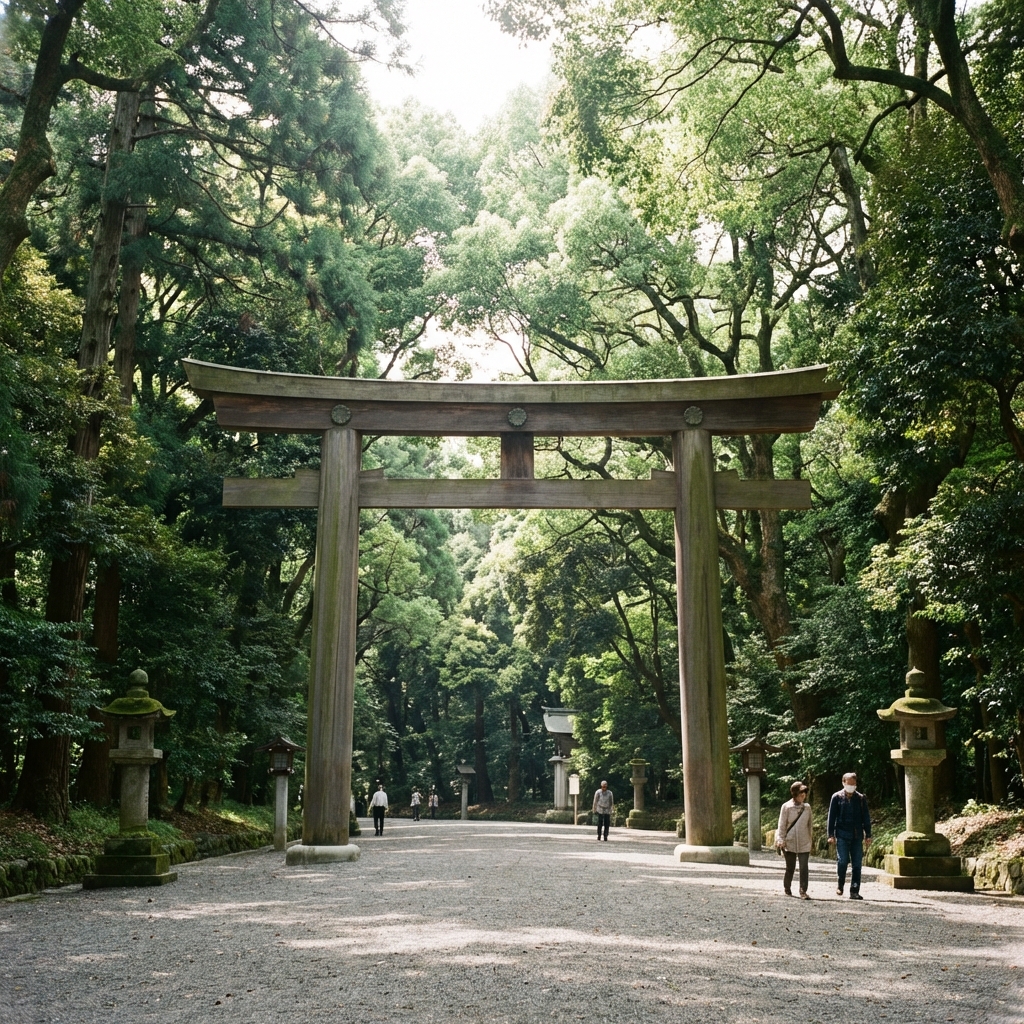
Best Shrines in Tokyo: Top 12 Japanese Shrines for First-Time Visitors (2026)
Discover the best shrines in Tokyo for tourists. From Meiji Shrine to hidden local gems, this guide covers the top 12 must-visit Shinto shrines in Tokyo with access, tips, and what makes each special.