
Shrine & Temple Guide
Your bilingual knowledge base for Japanese shrine and temple worship—learn etiquette, prayers, cultural context, and practical insights that unite Shinto and Buddhist traditions.
New Here? Start Your Learning Path
Not sure where to start? Follow our recommended learning order to build your understanding step by step.
Worship Basics

Shrine vs Temple in Japan: 5 Major Differences & Prayer Etiquette (2026)
Shrine vs temple in Japan: what's the difference? Complete guide to distinguishing Shinto shrines (Jinja) from Buddhist temples (Otera): Torii gates, 2-clap etiquette, and deities.

Why Japanese People Pray: The Power of Gratitude at Shinto Shrines
In Shinto, prayer is not just about making requests. Discover why the core of Japanese spirituality is based on 'Kansha'—the practice of sincere gratitude, and how it can transform your daily life.
Can Foreigners Pray at Shinto Shrines? A Guide to Inclusivity and Respect
One of the most common questions from international visitors is: 'Am I allowed to pray?' Discover why Shinto welcomes everyone, and how you can participate with sincerity and respect, regardless of your background.
Omikuji & Fortune

What is Omikuji? Complete Guide to Fortune Meanings & Etiquette (2026)
Decode all 7 Japanese omikuji fortune levels from Dai-kichi to Dai-kyo. Learn category meanings, shrine etiquette, and whether to keep or tie your fortune slip.

Go-riyaku: Understanding a Shrine's Divine Benefits
What is 'go-riyaku'? It's more than just 'good luck'. This article explores the Shinto concept of divine benefits and how they relate to a shrine's specific kami.

How to Write an Ema: Guide to Japanese Shrine Wish Plaques — What to Write & Etiquette (2025)
Step-by-step guide to writing an Ema (wooden wish plaque) at a Japanese shrine. Learn proper etiquette, what to write, and how to hang your wish correctly.
Deep Shrine Knowledge

Shinto and Mindfulness: Why Japanese Shrines Feel So Calming
Have you ever wondered why the air feels different inside a shrine? Discover the profound connection between Shinto traditions, Japanese aesthetics, and modern mindfulness, and how you can find inner peace through ancient rituals.
What is Shinto? Japanese Spiritual Practice, Kami, and Shrine Etiquette (2026)
Shinto is Japan's nature-based spiritual practice. Learn what kami are, why Japanese people pray, what shrine rituals mean, and how to follow shrine etiquette—then try a guided shrine ritual online.

Torii Gate Meaning: Why Are Japanese Shrine Gates Red? Rules (2026)
Why are torii gates red? Learn the spiritual meaning of Japan's sacred gates, the Amaterasu myth, 2 main architectural styles, and proper bowing etiquette.
Famous Shrines
Ise Jingu: Journey to the Spiritual Heart of Japan
Known as the shrine one must visit 'at least once in a lifetime,' Ise Jingu is the pinnacle of Japanese shrines. Dedicated to Amaterasu Omikami, explore why this sanctuary is called the 'spiritual home' of the Japanese people, the meaning of the 20-year rebuilding ritual, and how to properly pay your respects.

Kyoto Shrine Guide: 8 Must-Visit Shrines Beyond Fushimi Inari (2026)
Discover Kyoto's best shrines beyond the famous Fushimi Inari. From Kinkaku-ji's golden pavilion to hidden gems, explore 8 incredible Shinto shrines with practical visitor tips.
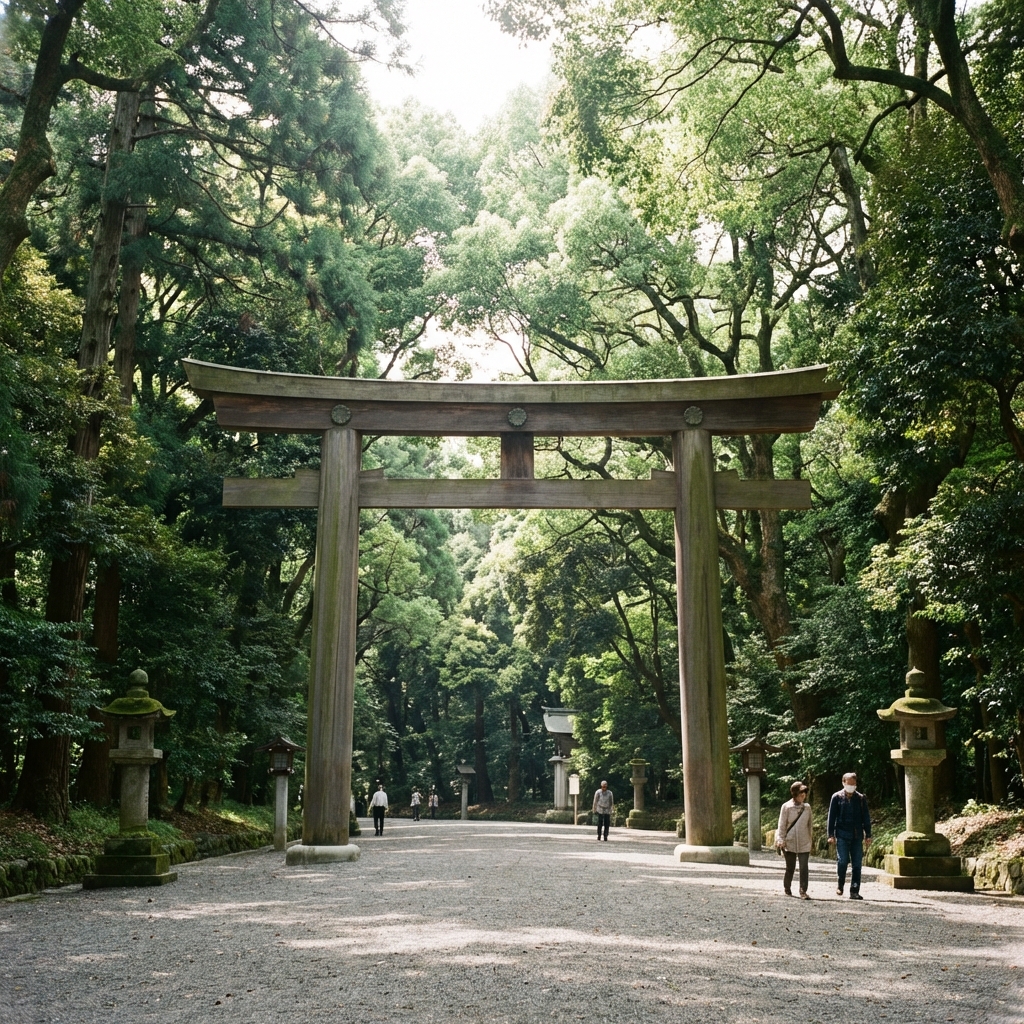
Best Shrines in Tokyo: Top 12 Japanese Shrines for First-Time Visitors (2026)
Discover the best shrines in Tokyo for tourists. From Meiji Shrine to hidden local gems, this guide covers the top 12 must-visit Shinto shrines in Tokyo with access, tips, and what makes each special.
All Articles

September 19, 2026
Shinto Sacred Mirror (Shinkyo): Why Japanese Shrines Revere Mirrors (2026)
Why do Shinto shrines enshrine sacred mirrors instead of statues? Discover the myth of the Yata no Kagami, the philosophy of inner reflection, and secret Goshintai.

September 19, 2026
Shinto Shrine Bells (Suzu): Origins & Sound Purification Decoded (2026)
Why do worshipers ring bells at Japanese Shinto shrines before praying? Discover Hontsubo-suzu, 5-color ropes, Kagura dance bells, and ancient sound purification.

September 19, 2026
Tamagushi Worship Guide: How to Offer Sacred Sakaki at Shrines (2026)
Learn the art of Tamagushi formal Shinto worship: how to offer sacred evergreen Sakaki branches, why rotate clockwise, and step-by-step shrine prayer etiquette.

September 19, 2026
Shinto Animal Messengers (Shinshi): Sacred Animals in Japanese Shrines
Why do Japanese shrines honor deer, foxes, cows, crows, and wolves? Discover the sacred animal messengers (Shinshi) of the kami, their myths, symbolism, and powers.
September 12, 2026
How to Set Up a Kamidana at Home: Shinto Altar Guide & Ofuda Placement
Learn how to enshrine sacred Ofuda talismans in modern apartments. Discover proper orientations, San-sha vs Issha altar order, daily Shinsen offerings, and morning prayers.
September 12, 2026
The Seven Lucky Gods (Shichifukujin): Origins, Powers & Pilgrimage Guide
Discover the Seven Lucky Gods of Japan. Explore how Japanese, Indian, and Chinese deities united on the Takarabune treasure ship to bestow fortune, longevity, and wealth.
September 12, 2026
Shimenawa & Shide: The Sacred Rope and Lightning Paper of Shinto Sanctuaries
Thick twisted straw ropes and zigzag white paper streamers adorn shrine gates and ancient trees. Uncover the myth of the celestial cave, the lightning symbol of harvest, and sumo yokozuna.
September 12, 2026
Shinboku & Iwakura: Sacred Trees, Giant Rocks, and Nature Spirits Before Shrines
Why do ancient Japanese shrines feature worship sites without buildings? Explore giant trees harboring kodama spirits, monolithic iwakura stones, and primordial Shinto animism.
September 12, 2026
Shinto Animism vs. Monotheism: Why Nature is Divine in Japan
The transcendent Creator vs. eight million kami. Good-and-evil dualism vs. impurity and purification. Discover the roots of Japanese nature philosophy that contains no concept of original sin.
Complete Guide to Japanese Shrine Traditions
Understanding Omikuji Fortune Telling
Omikuji are sacred paper fortunes found at Japanese shrines, offering divine guidance from the kami. Learn about the different fortune levels from Dai-kichi (great blessing) to Dai-kyō (great curse), and discover the proper omikuji meaning and etiquette for reading your fortune.
Traditional omikuji provide specific advice on health, business, relationships, and travel. Understanding how to read omikuji helps you interpret the divine messages correctly.
Famous Shrines & Sacred Sites
Discover Japan's most iconic shrines with detailed guides to Meiji Jingu Tokyo, Ise Grand Shrine, Naminoue Shrine Okinawa, and Kitano Tenmangu Kyoto. Each shrine guide includes history, significance, visiting tips, and special ceremonies.
Our complete shrine guide covers architectural elements like torii gates, chinju no mori sacred forests, and sandō paths, explaining their spiritual significance and proper approach etiquette.
Kagura Sacred Dance
Ritual performances offered to entertain and commune with kami, featuring traditional music.
Oharai Purification
Essential cleansing rituals using haraegushi wands to remove spiritual impurities.
Ema Wish Plaques
Wooden plaques where visitors write prayers and wishes, connecting personal hopes with blessings.
Complete Japanese Shrine Guide Topics
Japanese Shrine Guide: FAQ
Ready to experience Japanese worship?
Practice the sacred tradition of shrine worship right now.
Begin Your Shrine Experience