
Shrine & Temple Guide
Your bilingual knowledge base for Japanese shrine and temple worship—learn etiquette, prayers, cultural context, and practical insights that unite Shinto and Buddhist traditions.
New Here? Start Your Learning Path
Not sure where to start? Follow our recommended learning order to build your understanding step by step.
Worship Basics
Essential etiquette: Purification, Bowing, and Offerings.
Shrine vs Temple in Japan: 5 Major Differences & Prayer Etiquette (2026)
Shrine vs temple in Japan: what's the difference? Complete guide to distinguishing Shinto shrines (Jinja) from Buddhist temples (Otera): Torii gates, 2-clap etiquette, and deities.
ReadWhy Japanese People Pray: The Power of Gratitude at Shinto Shrines
In Shinto, prayer is not just about making requests. Discover why the core of Japanese spirituality is based on 'Kansha'—the practice of sincere gratitude, and how it can transform your daily life.
ReadCan Foreigners Pray at Shinto Shrines? Yes—Rules & Etiquette
Yes—foreigners of any religion are warmly welcomed to pray at Japanese Shinto shrines. Learn respectful 2-bow, 2-clap etiquette, coin offerings & key rules.
Read

Omikuji & Fortune
Understanding fortunes and how to make wishes.
Omikuji Meaning & 7 Levels: Daikichi, Yoshi (Kichi) to Kyo (2026)
What does your omikuji mean? Decode all 7 Japanese fortune levels in order—from Daikichi to Kyo, including Kichi ('Yoshi') and Suekichi ('Sueyoshi')—plus 15 slip categories and when to keep or tie your fortune.
ReadGo-riyaku: Understanding a Shrine's Divine Benefits
What is 'go-riyaku'? It's more than just 'good luck'. This article explores the Shinto concept of divine benefits and how they relate to a shrine's specific kami.
ReadJapanese Ema (絵馬): Shinto Wish Plaques & How to Write (2026)
What does Ema (絵馬) mean in Japanese? Explore Shinto wooden wish plaques, sacred horse origins, how to write wishes respectfully, privacy & hanging etiquette.
Read


Deep Shrine Knowledge
Learn about Torii, Komainu, and Shinto philosophy.
Shinto and Mindfulness: Why Japanese Shrines Feel So Calming
Have you ever wondered why the air feels different inside a shrine? Discover the profound connection between Shinto traditions, Japanese aesthetics, and modern mindfulness, and how you can find inner peace through ancient rituals.
ReadWhat is Shinto? Complete Guide to Japan's Indigenous Religion & Kami (2026)
What is Shinto? Discover Japan's indigenous religion, ancient kami nature spirits, sacred shrines, torii gates, and key differences from Buddhism in 2026.
ReadTorii Gate Meaning: Why Japanese Shinto Shrine Gates Are Red & Sacred Rules
What is a Torii gate (鳥居) and why are they painted vermilion red? Explore the spiritual meaning of Japanese Shinto shrine gates, Shinmei vs Myojin styles, parts (Kasagi & Shimaki), and bowing rules.
Read


Famous Shrines
Guides to Japan's most sacred sites.
Ise Jingu: Journey to the Spiritual Heart of Japan
Known as the shrine one must visit 'at least once in a lifetime,' Ise Jingu is the pinnacle of Japanese shrines. Dedicated to Amaterasu Omikami, explore why this sanctuary is called the 'spiritual home' of the Japanese people, the meaning of the 20-year rebuilding ritual, and how to properly pay your respects.
ReadKyoto Shrine Guide: 8 Must-Visit Shrines Beyond Fushimi Inari (2026)
Discover Kyoto's best shrines beyond the famous Fushimi Inari. From Kinkaku-ji's golden pavilion to hidden gems, explore 8 incredible Shinto shrines with practical visitor tips.
Read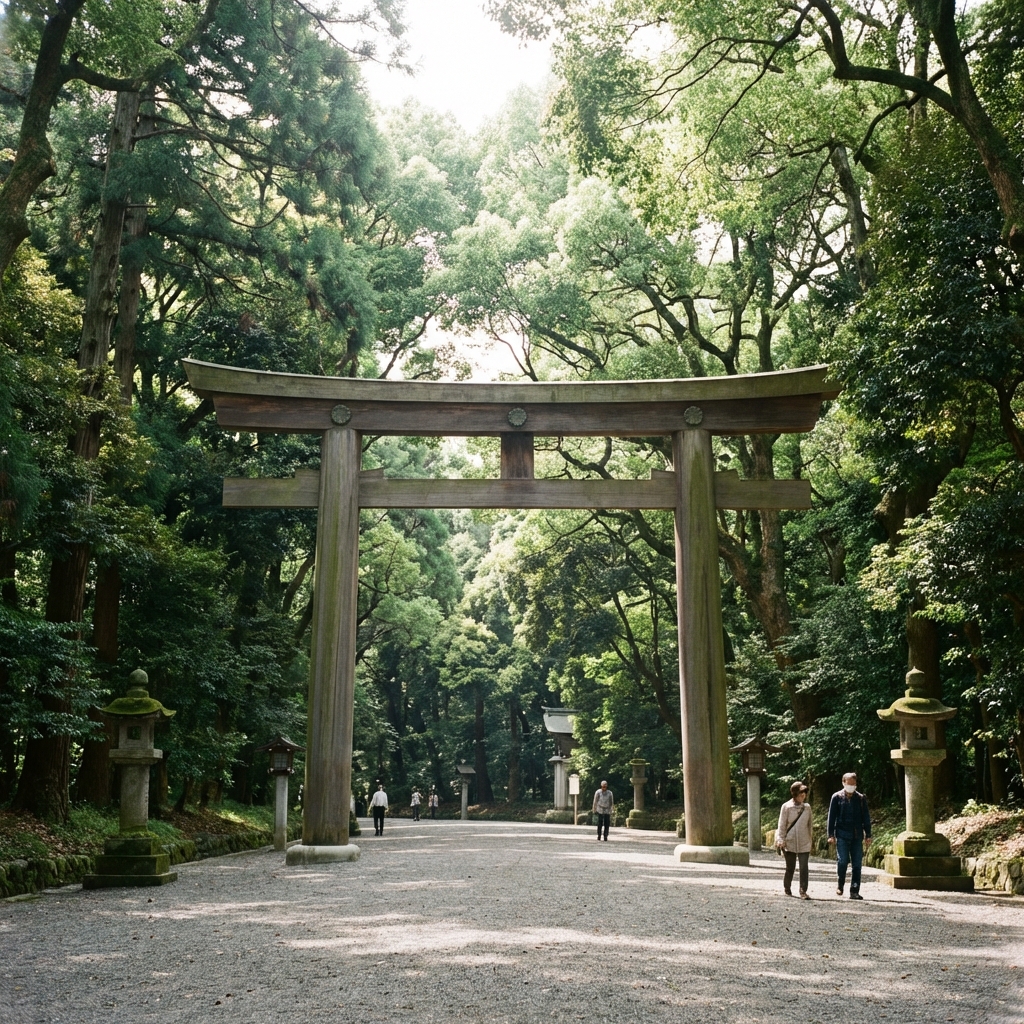
Best Shrines in Tokyo: Top 12 Japanese Shrines for First-Time Visitors (2026)
Discover the best shrines in Tokyo for tourists. From Meiji Shrine to hidden local gems, this guide covers the top 12 must-visit Shinto shrines in Tokyo with access, tips, and what makes each special.
Read

All Articles

ArticleAugust 22, 2026
Yakuyoke & Harai: How Japanese Shinto Rituals Ward Off Bad Luck & Negative Energy
Feeling unlucky or overwhelmed? Discover the ancient Japanese art of Yakuyoke (厄除け) and Harai (祓い). Learn how shrine purification rituals cleanse spiritual stagnation and restore positive Ki.

ArticleMay 23, 2026
Bad Omikuji (Kyo): Should You Tie It? 4-Step Shrine Ritual (2026)
Drew a Kyo (bad fortune) omikuji at a Japanese shrine? Learn why Kyo is a protective warning, the 4-step Musubi tying etiquette, and how to reset bad luck.

ArticleMay 23, 2026
Omikuji Order & Probabilities: Decoding Shinto Fortune Ranks
What is the true hierarchy of Japanese omikuji fortune slips? Learn all 7 fortune levels from Daikichi to Daikyo, the statistical probabilities, and shrine rank systems.

ArticleMay 23, 2026
Should You Keep Good Omikuji Fortunes? Shrine Amulet Guide
Should you keep a Daikichi (Great Blessing) omikuji or tie it? Learn the proper Japanese etiquette for handling good fortunes, carrying them as protective charms, and returning them.

ArticleFebruary 16, 2026
Matsuri: The Ultimate Guide to Japan's Sacred Chaos
Japanese festivals are not just parties; they are sacred chaos. They are the one time of year when humans and gods drink, dance, and shout together. From carrying 1-ton portable shrines to eating Takoyaki, understand the deep spiritual structure of Matsuri.

ArticleFebruary 15, 2026
Sensoji vs. Meiji Shrine: The Ultimate Tokyo Showdown
Compare Sensoji Temple and Meiji Shrine in Tokyo. Discover the key differences between Shinto and Buddhism, architectural styles, and visiting tips.

ArticleFebruary 13, 2026
Shinto Nature Worship: Why Japanese People Bow to Trees and Rocks — Sacred Trees, Stones & Water (2025)
Why do Japanese people revere trees and rocks as divine? Explore Shinto nature worship (animism), the concept of Yorishiro and Shinboku (sacred trees), famous ancient trees you can visit, the Misogi waterfall purification ritual, and Japan's unique 72 micro-seasons calendar.

ArticleFebruary 12, 2026
Shrine vs Temple in Japan: 5 Major Differences & Prayer Etiquette (2026)
Shrine vs temple in Japan: what's the difference? Complete guide to distinguishing Shinto shrines (Jinja) from Buddhist temples (Otera): Torii gates, 2-clap etiquette, and deities.

ArticleFebruary 10, 2026
Omamori Meaning & Colors Guide: 8 Japanese Amulet Meanings
What is an Omamori? See our complete Omamori color meaning chart (Red, White, Black, Gold, Pink, Blue, Green, Purple), amulet rules, and how to carry them.
Ready to experience Japanese worship?
Practice the sacred tradition of shrine worship right now.